Boho Geom Papers Vol. 123: A Designer's Textured Toolkit
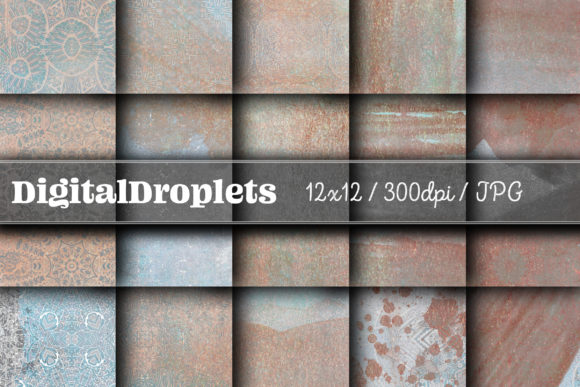
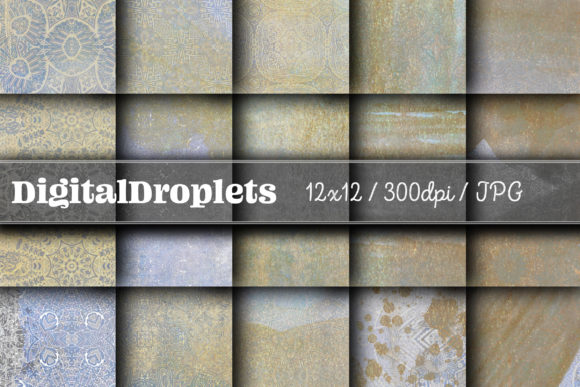
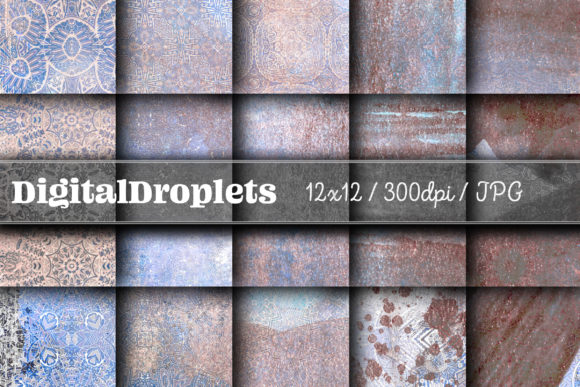
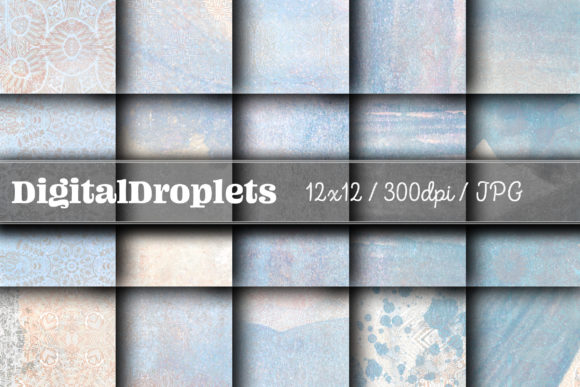
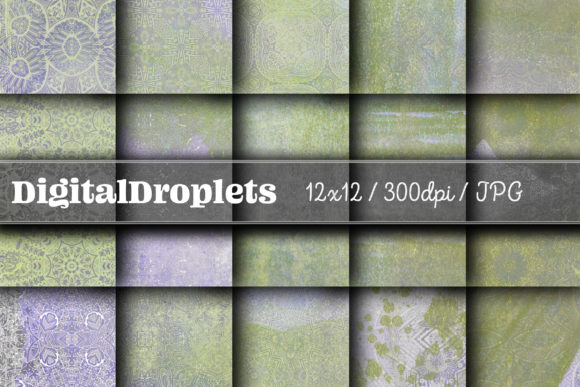
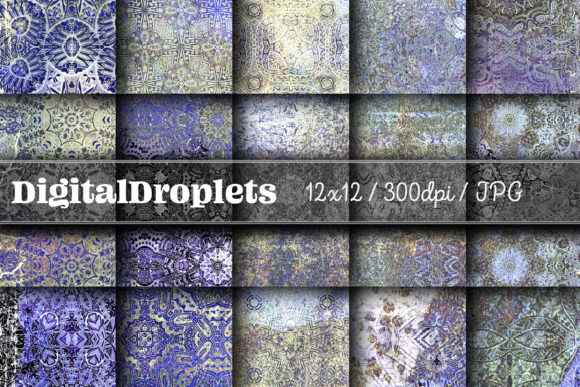
For designers seeking to blend organic warmth with structured geometry, the Boho Geom Papers Vol. 123 | Collection offers a sophisticated solution. This curated set of ten 12x12-inch, 300dpi JPEG files merges foggy alcohol ink and watercolor textures with intricate mandala-style geometric patterns. Each paper is framed with a unique, blended border featuring wood or stone-like textures, creating a versatile asset that bridges the gap between natural imperfection and digital precision.
The Role of Texture in Modern Visual Communication
In an era dominated by flat design and clean vectors, incorporating tactile, organic elements can significantly enhance a project's emotional resonance and visual hierarchy. Textured backgrounds like those in the Boho Geom Papers collection do more than fill space; they establish mood, suggest quality, and add a layer of depth that flat colors cannot achieve. For brands aiming to communicate authenticity, craftsmanship, or a connection to nature, these assets are invaluable for creating a compelling visual identity that feels both modern and grounded.
Practical Applications Across Design Disciplines
The true value of a design asset lies in its adaptability. This collection’s unique aesthetic makes it suitable for a wide range of creative projects, ensuring consistency across various touchpoints. Its compatibility with the smaller-layout Boho Geo Papers Collection further extends its utility, allowing for cohesive yet dynamic compositions.
- Brand Identity & Packaging: Use these papers as backgrounds for business cards, letterheads, or product packaging to instantly convey a bohemian, artisanal, or boutique brand personality. The geometric patterns provide structure while the textures add approachability.
- Digital Marketing & Social Media: Create scroll-stopping graphics for Instagram, Pinterest, or Facebook. The high-resolution files ensure crisp visuals for ads, story backgrounds, or quote templates, enhancing engagement through rich, layered aesthetics.
- Editorial & Web Design: In web design or UI design, they can serve as section backgrounds for hero areas, sidebar accents, or featured content blocks. For editorial layouts in magazines or blogs, they provide a visually interesting canvas for text overlays and photo placements.
- Print & Physical Media: The applications extend to tangible items like junk journals, scrapbook pages, greeting cards, washi tape, and gift wrap. The 12x12-inch format is ideal for scrapbooking, while the patterns can be cropped for tags, stickers, and envelopes.
Integrating Textured Assets into Your Design Workflow
Effective use of patterned backgrounds requires a strategic approach to maintain readability and visual balance. Always consider the primary content—whether it's typography, imagery, or data—that will sit atop the background. Adjusting opacity, applying subtle color overlays, or using the texture in contained areas (like a sidebar or header) can prevent visual competition. Ensure the asset's color palette complements your existing brand system. The muted, foggy tones of these papers are particularly versatile, as they can harmonize with a wide range of color schemes without overwhelming them.
When selecting design elements, prioritize high-resolution files like the 300dpi JPEGs in this set to guarantee scalability and professional print quality. Evaluate how the asset contributes to the overall visual hierarchy and whether it aligns with your project's goals and audience expectations. A textured background should enhance, not distract from, the core message.
Elevating Projects with Thoughtful Design Choices
Ultimately, the most effective design choices are those that serve both form and function. A resource like the Boho Geom Papers Vol. 123 | Collection provides a foundation for creating visually rich, professional presentations that stand out in a crowded digital and physical landscape. By thoughtfully integrating high-quality creative assets into your workflow, you can streamline production, ensure brand consistency, and elevate the aesthetic quality of everything from social media graphics to client presentations, proving that intelligent design is as much about the resources you use as the ideas you generate.