GoldenVintageGarden Vol. 62: Elevating Design with Layered Texture
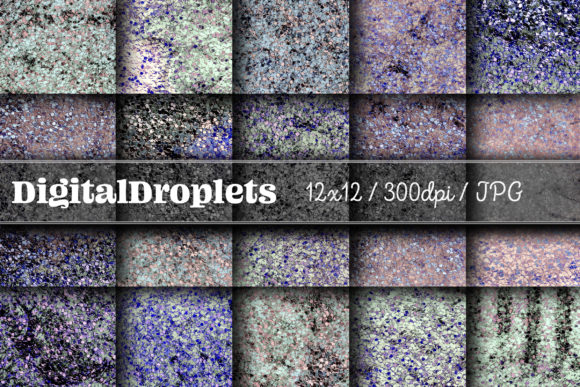
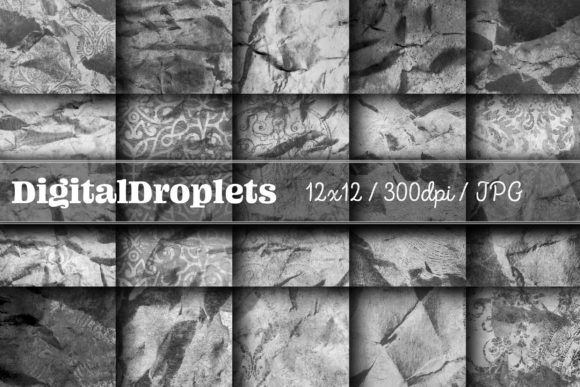
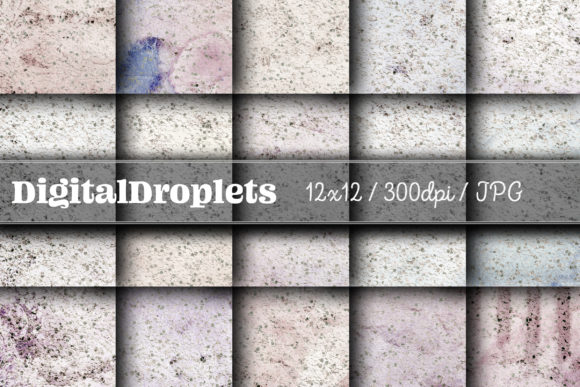
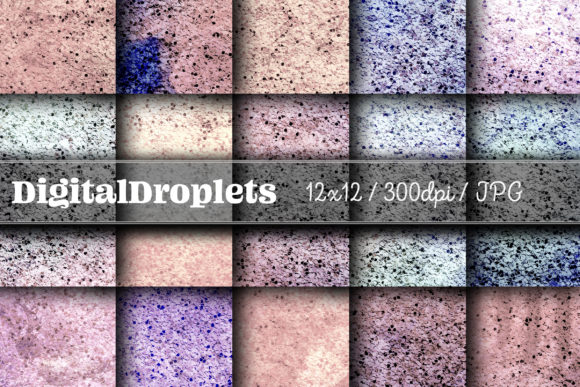
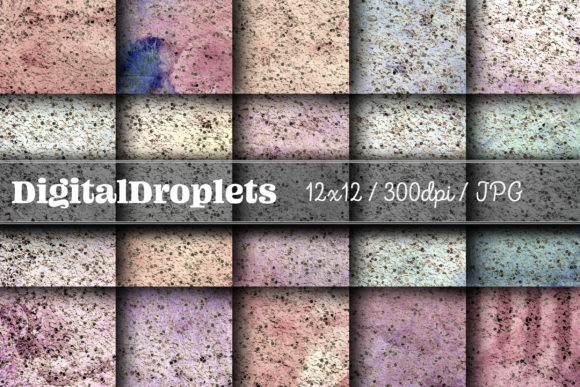
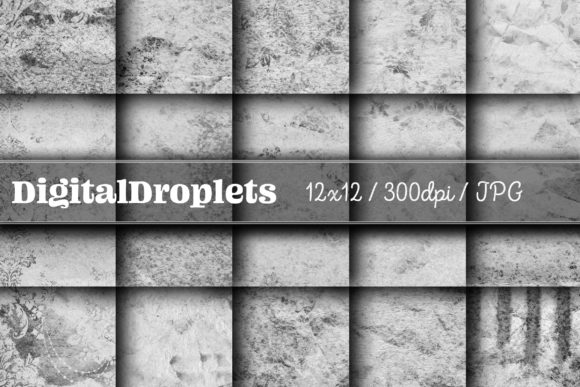
In a digital landscape often dominated by flat, minimalist aesthetics, the GoldenVintageGarden Vol. 62 | Collection offers a compelling return to tactile, layered visual storytelling. This 12x12 paper set, featuring 10 high-resolution backgrounds, masterfully blends vintage charm with modern digital artistry. By combining subtle glitter textures, classic damask and lace patterns, and rich cardboard foundations with alcohol ink or watercolor washes, this collection provides a depth and sophistication that can instantly elevate any creative project. For graphic designers, marketers, and content creators, it represents a versatile toolkit for adding warmth, character, and a sense of curated history to their work.
The Anatomy of a Superior Design Asset
What sets this collection apart is its nuanced construction. The papers aren't simply vintage patterns; they are multi-layered compositions. The overlay of subtle glitter textures adds a hint of luxury without overwhelming the design, while the underlying damask and lace patterns provide classic structure. The integration of alcohol ink or watercolor textures creates organic movement and a hand-crafted feel, making each background feel unique and emotionally resonant. This complexity is key for modern visual design, where authenticity and tactile appeal are highly valued.
Practical Applications Across Design Disciplines
The true value of a resource like the GoldenVintageGarden Vol. 62 set lies in its broad applicability. Its aesthetic is not confined to a single niche but can be adapted to strengthen various aspects of brand identity and creative projects.
- Branding & Marketing Materials: Use these textured backgrounds for business cards, letterheads, and brochure covers to communicate a brand story rooted in elegance, craftsmanship, or nostalgia. They are perfect for boutique businesses, artisanal products, and lifestyle brands.
- Digital Content & Social Media: Create standout Instagram stories, Facebook headers, or Pinterest pins. The layered textures provide immediate visual interest in fast-scrolling feeds, improving engagement for campaigns related to home decor, weddings, or vintage fashion.
- Web & UI Design: As hero image backgrounds or section dividers, these papers can break the monotony of solid colors, adding depth to landing pages or blog designs. Ensure sufficient contrast for text readability.
- Editorial & Packaging Design: Ideal for magazine layouts, book covers, and product packaging—especially for items like candles, teas, or stationery—where the unboxing experience is part of the brand narrative.
Maximizing Impact: Tips for Effective Use
To leverage these assets effectively, consider these professional guidelines:
- Maintain Visual Hierarchy: Use the most textured areas as focal points or for large, non-text elements. Place critical information or typography on the subtler, less busy sections of the paper to ensure readability.
- Harmonize with Your Color Palette: While the papers have inherent tones, they can be adjusted. Use design software to tweak saturation or overlay a semi-transparent color layer to align them with your specific brand color palette.
- Consider Scale and Context: For print design, the high 300dpi resolution ensures crisp output. For digital use, optimize file sizes without losing the essential texture detail that defines the aesthetic.
- Build Cohesive Systems: Use these papers as a consistent background element across a suite of materials—from social media graphics to presentation slides—to reinforce brand recognition and create a unified professional presentation.
Ultimately, the decision to incorporate a textured, vintage-inspired asset like the GoldenVintageGarden Vol. 62 | Collection is a strategic one. It moves beyond mere decoration to serve a communicative purpose, helping to evoke specific emotions and establish a distinct tone. In an era where design quality directly impacts user perception and engagement, having access to thoughtfully crafted, high-quality creative assets is not just an advantage—it's essential for creating work that resonates and endures.